Start with what you want to buy
When you’re shopping for sensory play items, the biggest step is clarifying the outcome you want. Decide if you want a low-mess option, a rinse-friendly experience, or beads that match an existing bowl, tray, or sensory mat. This “purpose first” approach makes it much easier to compare products without getting distracted by flashy packaging.
Next, check the intended age guidance and play conditions listed by the brand. Some bead sets are designed for careful, supervised use due to small-parts considerations, while others are packaged with safety messaging for family environments. Look for clear directions about soaking time, how to measure water, and whether there are any warnings for use around pets. If a listing is vague about how the beads behave after soaking and draining, treat that as a signal to keep searching for more transparent instructions.
What to look for in safer, greener bead options
Not all “eco” claims are equal, so focus on how the product is described and what it’s designed to do after play. If you’re building a routine at home, you’ll want a product that is easy to rinse, easy to store, and predictable in how it changes shape. Clear cleanup steps help you keep the experience enjoyable instead of stressful.
Also consider how the beads are sized and how they hold together during play. Some sets are formulated to stay intact longer, which can be helpful for scooping and transferring, while others disperse more quickly for fast cleanup. Look for details about texture, expansion, and consistency so you can plan the right containers and tools, like scoops, strainers, or sensory funnels. When shopping, it’s worth choosing products that align with your household habits, including whether you prefer quick draining or a fully contained sensory bin setup.
Pairing play with kid-friendly beauty choices
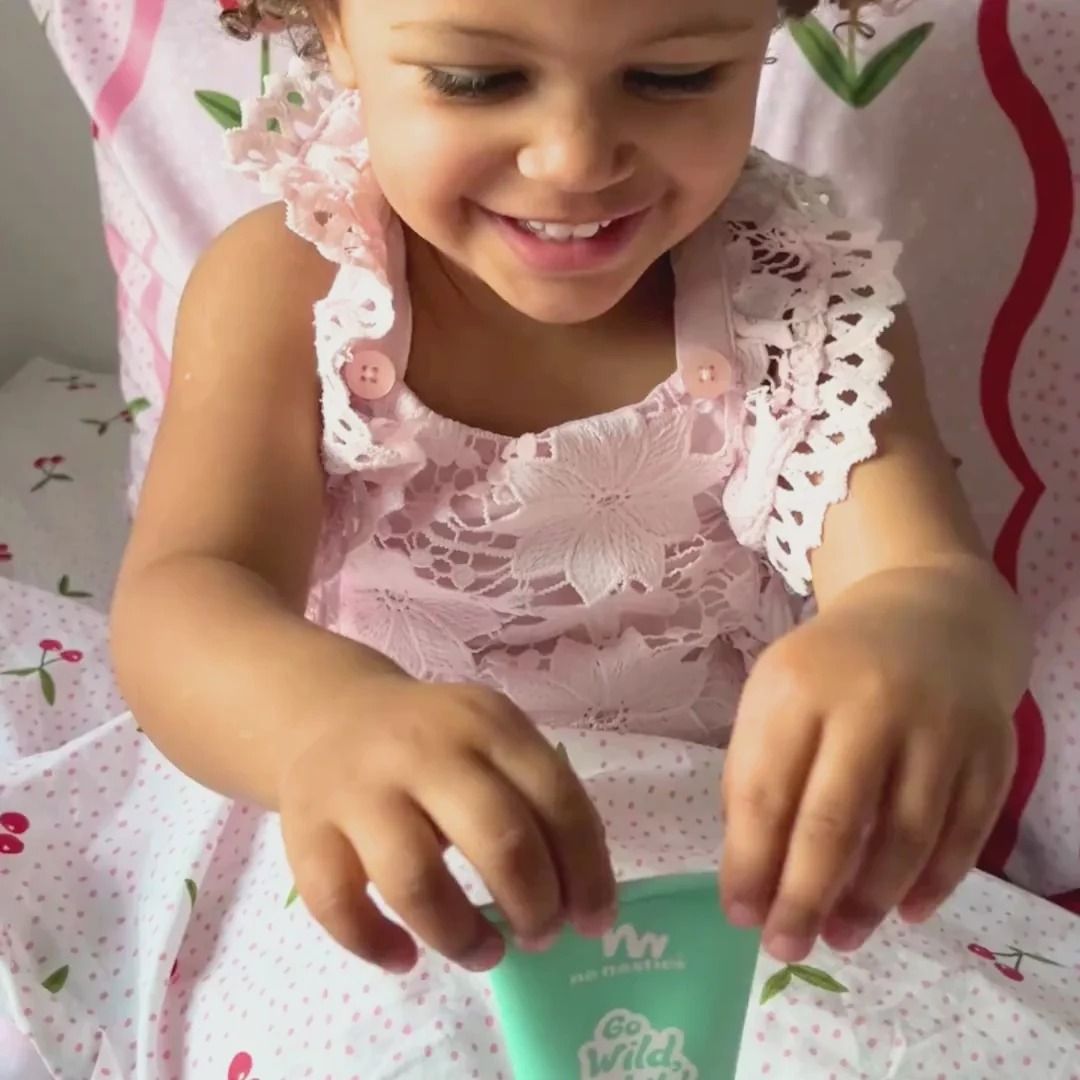
Many families want sensory activities that feel fun while still matching a broader “no harsh surprises” standard. If your child enjoys imaginative play, you can build a cohesive activity kit that includes sensory elements alongside natural beauty products. For example, pairing playtime with vegan non toxic nail polish can create an arts-and-sensory combo where kids express creativity while you maintain peace of mind about what’s on their skin and surfaces. This approach helps you keep the day’s theme consistent and reduces the urge to add last-minute, hard-to-verify items.
When selecting kid-focused beauty products, look for ingredient transparency and gentle positioning that fits with everyday use. Check whether the brand clearly describes formulation goals, such as being plant-forward or avoiding common irritants, and whether it includes easy-to-follow usage notes. A well-curated bundle also helps parents manage what enters the household, especially when you’re trying to avoid clutter and questionable materials.
Conclusion
A strong buyer guide comes down to clarity: understand the play purpose, verify safety and instructions, and choose bead sets that make cleanup manageable. Once you know what “good use” looks like for your home, it becomes easier to select options that match your tolerance for mess and your expectations for performance. Combining sensory play with carefully chosen beauty items can also keep the overall experience kid-friendly and aligned with your values, rather than piecing together unrelated products. If you want a streamlined way to shop for creative essentials alongside natural kids makeup, explore nonastieskids.com.au for thoughtfully designed collections with gift-ready presentation. You’ll find curated choices that support enjoyable play while keeping an eye on what families bring into their routines. Use the checklist above to compare listings confidently, and aim for products that clearly explain soaking, storage, and cleanup—so your next activity feels exciting from the first pour to the final rinse.