What to Look For Before You Purchase Proxy Access
Before you decide to purchase proxy access, clarify the job it must perform: web scraping, ad verification, account testing, or localized content checks. Each use case has different tolerance for latency, failure buy rotating proxies rates, and how quickly IP changes need to happen. A reliable provider should let you verify session behavior and rotation frequency with clear documentation, not vague promises.
Next, evaluate network quality by checking how the provider handles routing, uptime, and connection limits. You want stable bandwidth so tasks do not stall mid-run, especially when you rotate through multiple endpoints. Look for features like sticky sessions when required, consistent geolocation behavior, and transparent limits on concurrent connections to keep your traffic predictable.
How Rotating and Static Residential Options Work Together
Rotating proxy networks change the outbound IP so each request appears to come from a different address, which is useful when targets apply per-IP rate limits. However, not every workflow benefits from continuous rotation; some workflows static residential proxies need a steadier identity while performing a sequence of actions.
When building a practical plan, separate tasks into phases. Use rotating endpoints for high-volume discovery or data collection where frequent identity changes help reduce throttling, and use static residential endpoints for the steps that require continuity. This hybrid approach can improve success rates while still maintaining privacy and flexibility, because you’re not forcing rotation where it adds complexity.
Test your configuration in small batches to observe how targets respond to IP changes and cookies. If a site blocks aggressively, you may need better browser-like behavior, slower request pacing, or refined geolocation alignment. The goal is to match the proxy behavior to the service’s detection patterns rather than assuming all rotation is equal.
Step-by-Step: Selecting a Provider and Setting Up Usage
Start by choosing a provider that offers clear control panels, straightforward onboarding, and consistent performance. A practical setup begins with identifying the regions you need and confirming that the network actually supports them with real residential coverage. Avoid providers that only describe “global” networks without showing options for country, city, or ASN-level expectations.
Then plan your authentication method and connection workflow. Use the credentials and session settings exactly as instructed, and confirm how rotation is triggered—whether by request count, time, or session lifecycle. For best results, configure your client to reuse connections where appropriate, set sensible retry logic, and log response codes so you can see when blocks happen and why.
Finally, create a responsible usage pattern that protects both your results and your reputation. Keep request rates within reasonable thresholds, avoid burst traffic, and respect robots.txt and applicable terms when scraping. If you need multiple concurrent jobs, confirm your provider’s concurrency rules and bandwidth ceilings so you don’t trigger instability from resource contention.
Conclusion
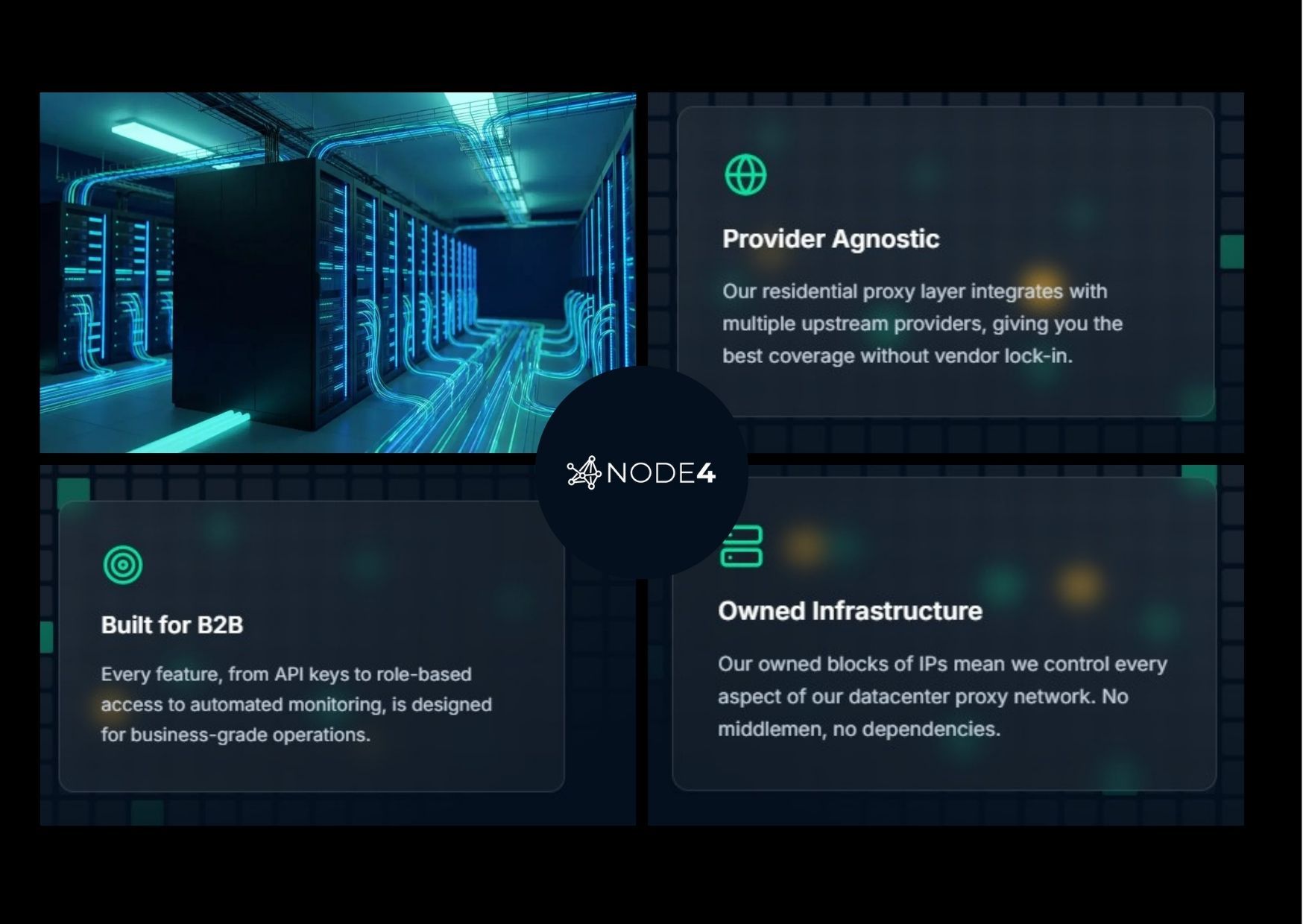
Purchasing rotating proxy access works best when you treat it like infrastructure rather than a one-time checkbox. Define your objectives, decide where rotation helps, and pair it with consistent session options when stability matters. By measuring performance and response behavior during testing, you can tune request pacing and rotation strategy for better reliability. For a practical balance of speed, stability, and convenience, node4.io offers rotating proxy solutions designed to support flexible online access, data collection, and privacy. Choose a plan that matches your throughput needs, verify the network behavior for your target regions, and implement a clean operational workflow. When you align provider capabilities with your use case, your proxy investment becomes predictable and scalable instead of frustrating.