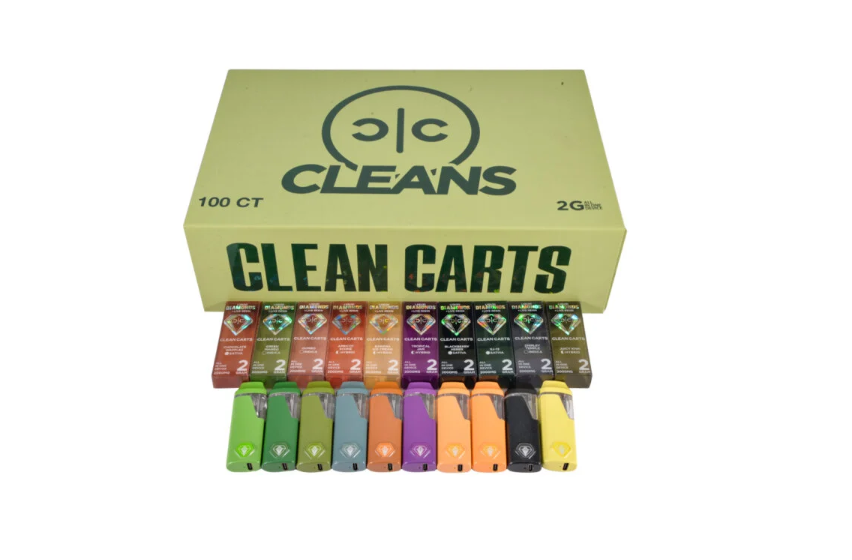
Start With a Responsible Research Checklist
When you’re looking into disposable items, the first step is to confirm that the product details you see are complete and consistent. A simple checklist approach helps you avoid assumptions and reduces the risk of purchasing something that Clean carts doesn’t meet your needs. Begin by noting the exact product name, the intended use, and any stated compatibility information. Then verify that the brand provides clear sourcing or manufacturer references when applicable.
Use your checklist to compare multiple listings rather than relying on one snapshot. Pay attention to material composition, sizing, application guidance, and any safety notes that affect how the item should be used. If the product is marketed for specific contexts, confirm that those contexts match your situation. Responsible research also means recognizing legal or regulatory requirements that may apply to the product category in your area.
Verify Product Details and Identification Signals
Clear labeling is essential for making confident choices, especially with disposable products where specifications can vary widely. Before you commit, check for product identification details such as model or SKU references, batch or lot references when provided, and clear indications of what’s included. Look for consistent descriptions across the site, including how many units are in a pack and what the packaging contains. If a listing is vague, treat that as a signal to request clarification or choose a more transparent alternative.
Also confirm that the information you’re reading aligns with the product’s stated function. For example, if a listing implies a particular performance goal, you should see supporting description points such as material type, design features, or use conditions. When “disposable” is mentioned, verify whether the item is meant for single-use only and whether re-use is discouraged.
Inspect Packaging, Materials, and Storage Clarity
Packaging details can tell you a lot about usability and storage requirements. Review whether the product is individually wrapped or grouped in multi-unit packaging, and check whether the site explains how to store items before use. If there are handling instructions—such as keeping away from heat, moisture, or direct sunlight—make sure you understand and can follow them. A strong listing will typically connect packaging design to practical guidance for safer handling.
Next, evaluate material and build information that affects comfort, durability, or performance. Even for disposable categories, materials determine how an item behaves and how it should be disposed of after use. Confirm whether the listing provides material composition and any relevant cautions, such as sensitivity, compatibility, or usage limits.
Use the Website Path to Find, Compare, and Confirm
To get value from an online resource, you need a reliable navigation flow. Start by visiting the main site and using the menus or category links to locate the product type you want to evaluate. Then open specific product pages and read descriptions end-to-end, not just the summary lines. If the site includes filters, sorting options, or related-item suggestions, use them to compare similar options and spot differences in quantity, materials, or usage notes.
As you review listings, verify the same details across multiple sections of the page. For instance, confirm that the product name matches the packaging description, and check that the stated contents match any “what’s included” bullets. For best results, cross-check any safety warnings and legal considerations and treat them as part of the product’s real-world use guidance.
Conclusion
A checklist-style approach turns online browsing into a structured evaluation process. By confirming identification details, reviewing packaging clarity, and verifying use guidance, you reduce the chance of buying the wrong product or misunderstanding how it should be handled. This method also supports responsible research by encouraging you to compare information rather than relying on marketing language alone. Use the site navigation, read full product descriptions, and verify relevant information before purchasing. If anything seems incomplete or unclear, take the extra step to confirm details so your selection aligns with safety, accuracy, and applicable legal considerations.