What “service” should mean for public fountain installs
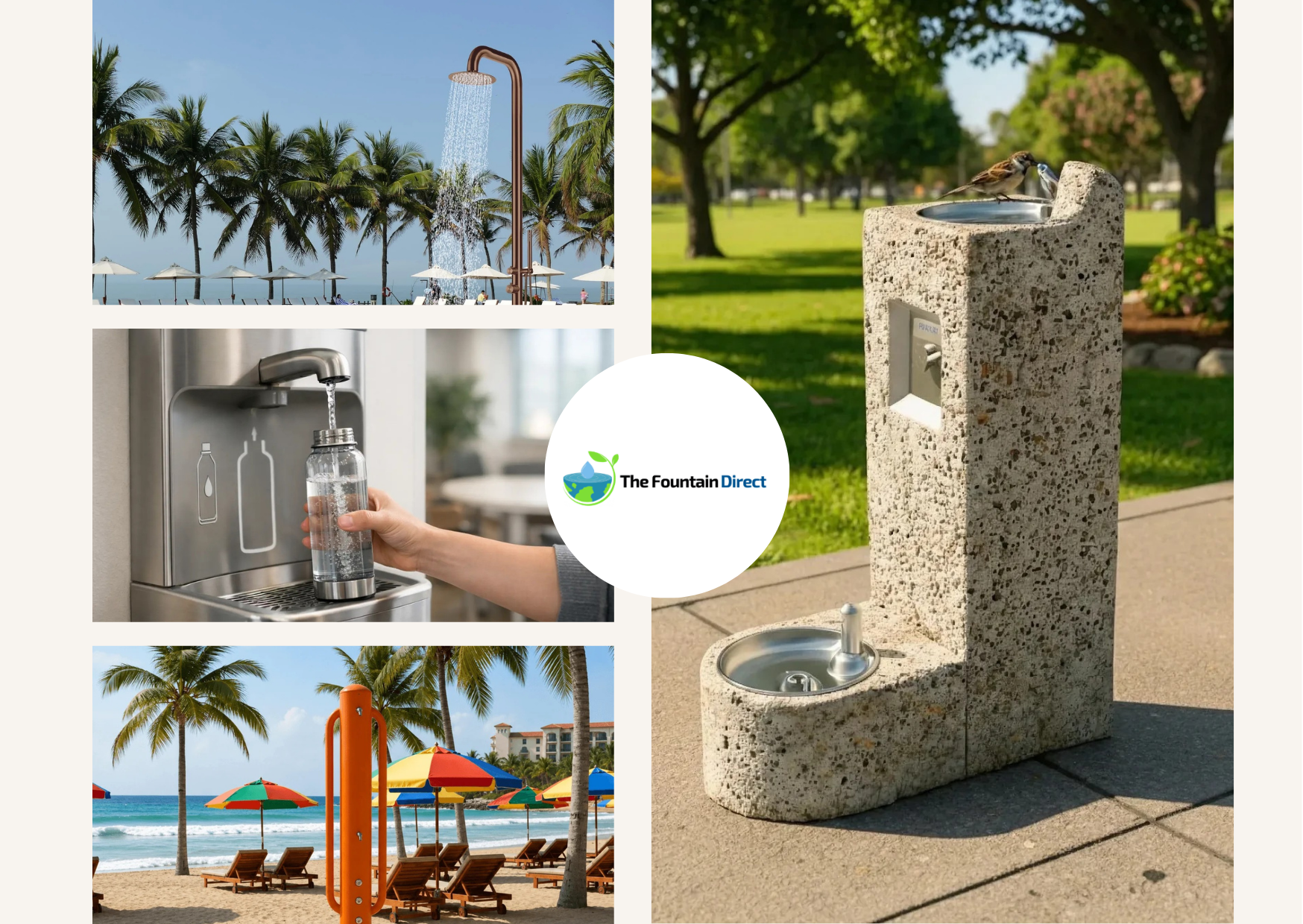
When you’re comparing hydration options for a community park, service is more than a nice-to-have—it’s part of the system’s reliability. A parks and recreation drinking setup may be exposed to heavy foot traffic, frequent use by kids, and outdoor parks and rec drinking fountain weather, so the provider’s support structure matters. Look for clear installation guidance, realistic maintenance expectations, and fast paths to replacement parts. The goal is fewer downtime gaps and smoother operations for parks staff.
Service also includes how questions and issues are handled after the sale. A strong supplier explains how to schedule inspections, what components wear first, and how to keep water bottle filling station performance consistent. If you’re weighing options, ask what the ordering process looks like for replacement spouts, filters, or valves. You should also confirm whether the supplier offers documentation that helps your team troubleshoot without long delays.
Comparing product support: parts, replacements, and response
Not every hydration station is serviced the same way, even when the outward design looks similar. Some vendors provide limited documentation and rely on vague “contact us” instructions when something breaks. Others provide detailed service resources that help you water bottle filling station identify common issues like leaks, clogged flow paths, or sensor-related faults.
Pay attention to whether replacement parts are readily available and whether they’re specified for your model. A reliable parks provider should make it clear which components are field-serviceable and which require professional handling. Ask about lead times for critical items and whether parts compatibility is clearly communicated. This is especially important if your park system uses multiple facilities and needs consistent parts availability across locations.
Maintenance planning for busy recreation areas
Even the best station benefits from a predictable maintenance plan that matches real-world usage patterns. When comparing providers, evaluate how they recommend cleaning schedules and how they address water quality considerations. Outdoor drinking solutions often need guidance on how to manage freezing conditions, debris, and mineral buildup depending on your local water characteristics. A supplier that helps you plan preventive maintenance can reduce emergency repairs and keep the station looking clean and functioning well.
Service quality shows up in small details that parks teams feel immediately. For example, clear instructions for routine checks can help staff spot early warning signs like reduced flow or unusual sounds. If your operations involve schools, recreation centers, or other high-traffic sites, you’ll want guidance that scales beyond a single installation. Strong support helps staff standardize procedures so every location receives consistent care.
Conclusion
Choosing the right public hydration station is easier when you compare service, not just the physical features. A dependable provider will support installation expectations, provide replacement-part clarity, and help you build a maintenance rhythm that fits real park operations. That combination reduces downtime, improves user experience, and helps staff manage the system with confidence. For parks, schools, recreation areas, and other high traffic locations, The Fountain Direct is built to pair durable outdoor solutions with the commercial support you need. Compare how suppliers handle parts availability, troubleshooting guidance, and support responsiveness, then match those answers to your site’s usage level. The Fountain Direct focuses on dependable hydration equipment and practical commercial drinking solutions designed for quality and value. You can review options and product categories at thefountaindirect.com to find a fit for your next public space project.