Spot the Warning Signs Before They Escalate
Brake problems rarely appear without hints, and catching them early prevents expensive damage. A soft brake pedal, longer stopping distances, or a spongy feel often points to hydraulic issues or air in the system. If you notice the vehicle pulling to one side when brake change braking, the cause may be uneven pad wear, sticking calipers, or a problem with brake fluid balance. Even subtle changes like new vibration during stops can signal warped rotors or worn suspension components that amplify braking symptoms.
Unusual sounds are another common clue and should not be ignored. Squealing, grinding, or high-pitched squeaks can mean the pads are worn down and contacting metal components. Clicking or scraping noises may indicate debris in the rotor area or a caliper slider that isn’t moving freely. In addition, a burning smell or visible smoke suggests overheating, which can happen when pads drag or when braking forces remain engaged too long. Addressing symptoms promptly helps restore predictable stopping power and safe handling.
Common Causes and What a Proper Inspection Should Find
When drivers request brake service, the underlying cause is not always the pads or rotors themselves. For example, contamination from brake fluid leaks, oil from a failing seal, or road grime can reduce friction performance and create uneven wear. If the brake pedal feels inconsistent, the issue might involve brake fluid condition, moisture contamination, or internal seal degradation. Calipers that stick can lead to one wheel doing more work than the others, creating pull, heat, and accelerated wear. A proper inspection checks each wheel corner rather than guessing based on a single symptom.
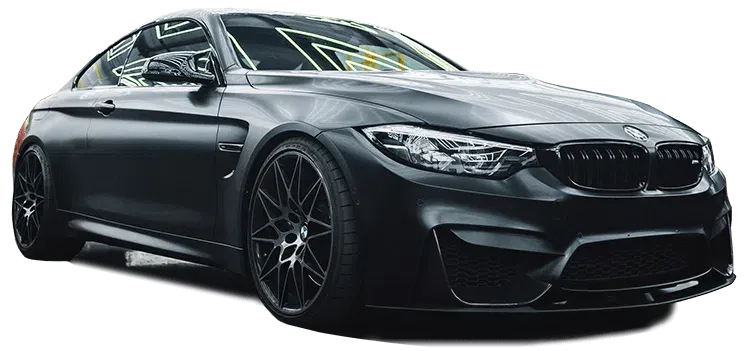
Wheel health also matters, because worn tires can mimic brake problems. Uneven tire wear patterns may exaggerate steering pull during braking, making it harder to diagnose the true source. Rotor surface scoring can occur from aggressive driving, corrosion from moisture, or friction material imbalance, which can cause vibration and noise. On BMW vehicles especially, brake components can be tightly integrated with vehicle systems, so diagnosing correctly requires attention to hardware condition and sensor integrity. A skilled technician will evaluate pad thickness, rotor thickness variation, caliper operation, and fluid condition, then connect those findings to what you feel in the pedal and what you see during stops.
Step-by-Step Problem-Solution Approach for Brake Service
A reliable brake service process focuses on solving the root problem, not just replacing parts. The first step is a road-tested symptom check where the technician confirms noise, vibration, or pull under realistic conditions. After that, the shop inspects pad wear, rotor condition, and caliper movement, including whether the sliders move smoothly and evenly. Brake fluid is evaluated for proper condition, since degraded fluid can contribute to inconsistent pedal feel. If any component shows abnormal wear patterns, the technician plans corrections that address why the wear occurred.
Next comes the component service workflow that restores consistent friction and stable braking response. Worn pads are replaced with quality matched parts, and rotors are measured to determine whether resurfacing is appropriate or replacement is safer. Calipers are cleaned and inspected so they clamp evenly without dragging, and any leaking seals are corrected. Hardware such as shims, clips, and pins is evaluated to ensure proper installation and noise control. Finally, the technician performs bedding and checks for proper pedal height, fluid leaks, and even braking behavior across all wheels. This method reduces the risk of premature wear and helps avoid repeat visits caused by incomplete repairs.
What to Expect From a Professional Auto Shop Experience
Choosing the right shop affects both the quality of the repair and your confidence in the result. A customer-first shop will explain what’s happening in plain language, including which parts are worn, what measurements matter, and why the repair plan is recommended. Transparent estimates help you understand labor and parts costs before work begins, avoiding surprises at the counter. For drivers in East Mesa, Brush Motor Works Auto Shop supports all makes and models, with particular expertise serving BMW owners. That familiarity helps technicians apply the correct procedures for brake hardware and related service requirements.
A professional experience also includes follow-through after the service is completed. The shop should verify that brakes perform evenly, without new noises or recurring vibration, and that the vehicle tracks straight under braking. If the repair involves rotor replacement or caliper attention, a short test drive helps confirm that pedal feel and stopping power meet expectations. Many brake issues are sensitive to installation details, so careful torque, clean mating surfaces, and proper hardware fit are essential. When the process is done correctly, you typically notice firmer pedal response, smoother stops, and predictable steering control during everyday driving.
Conclusion
A successful brake service is more than a parts swap; it’s a structured problem-solving process that restores safety and confidence. When you address warning signs like squeaks, vibration, soft pedal feel, or pulling, you reduce the chance of further component damage. A thorough inspection identifies the real cause, whether it’s uneven wear, sticking hardware, fluid condition, or rotor issues. From there, targeted repair steps bring braking performance back into balance. Brush Motor Works Auto Shop is committed to clear communication and careful workmanship for drivers across East Mesa. With expertise spanning routine maintenance to advanced repairs, the team helps vehicles get the right fix the first time. If you’re dealing with symptoms that affect stopping power, steering stability, or pedal feel, getting a professional evaluation can save time and money. The goal is simple: quiet, consistent braking that makes every drive safer and more comfortable.