Start With Fit and Movement Requirements
Before you order, define how the kit must feel during every stage of your event. Triathlon demands frequent transitions, so the fabric should move with your shoulders, hips, and knees without pinching. A proper fit also reduces triathlon uniforms distraction when you’re focused on pacing and form. Create a simple test plan: try the outfit in a full range of motion, including arm swings, squats, and a simulated swim-to-bike transition.
Use measurements that reflect real wear, not just size charts. Instead of relying only on chest or waist numbers, note how the garment sits over a tri-top or sports bra, and how it behaves on the bike. If you use a cycling bib or have a preferred chamois, confirm that the uniform accommodates it cleanly. When you document these details, you’ll communicate expectations clearly to your manufacturer and reduce costly revisions.
Choose Technical Fabrics and Performance Features
Comfort starts with fabric selection, especially for athletes who sweat through multiple disciplines. Look for moisture-wicking properties, quick-dry behavior, and a soft feel against skin. The ideal blend supports breathability so you don’t overheat during high-output segments. For uniforms that stay wearable between events, durability matters too, particularly around seams, cuffs, and high-friction zones.
Consider additional performance features that support racing and training. A secure waistband or flatlock seams can improve comfort during running strides, while targeted ventilation helps manage temperature. If you plan to wear the kit in varied conditions, prioritize UV resistance and colorfastness to prevent fading. For teams, consistent fabric performance across sizes is essential, so ask how materials are tested and monitored during production.
Plan the Design Workflow From Color to Branding
A great uniform is more than a look—it’s an organized system for identity and function. Start by listing your branding elements, such as team names, sponsor placement, and athlete numbers. Then decide how the design will appear on different surfaces, including sleeves, torso panels, and back panels. When you plan the layout early, you can avoid last-minute edits that disrupt production timelines.
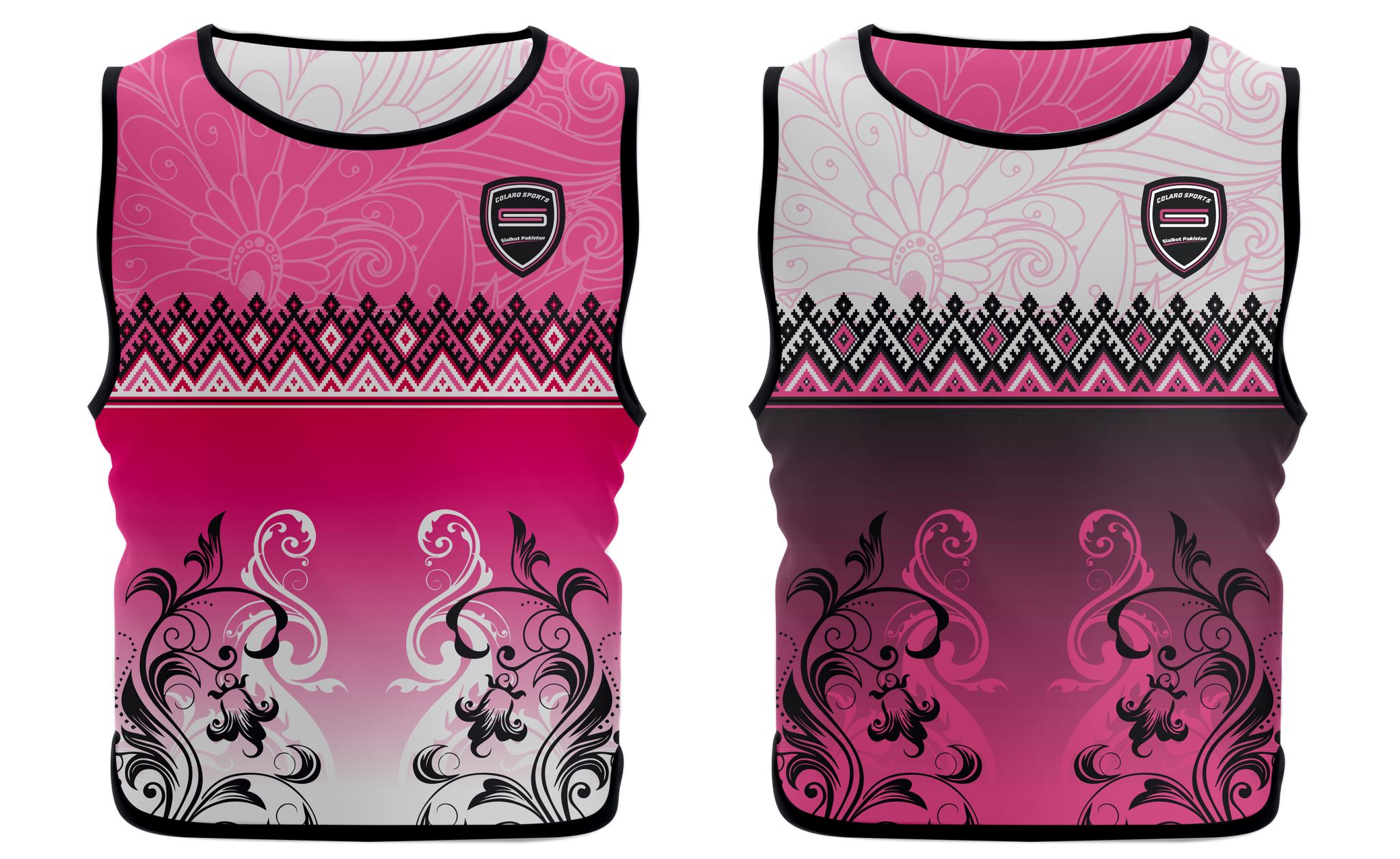
Next, confirm whether you want sublimation, cut-and-sew construction, or a hybrid approach for your project. Sublimation is popular for vibrant, all-over graphics, while cut-and-sew can deliver structured panels where you need targeted performance. Ask for a clear review process, including proofs, color checks, and placement guidelines for each size. If your athletes have different roles or distances, you may also need variant designs for wave-specific kits or coaching staff gear.
Use a Production Checklist for Quality Assurance
To keep your order on track, build a quality checklist that addresses both design accuracy and construction standards. Verify garment specifications such as seam type, stitch density, and hem finishing, because these details affect comfort and lifespan. Check how zippers, elastics, and closures are selected, as hardware issues often cause the earliest wear. If your team needs custom options—like pockets, reflective accents, or adjustable elements—list them clearly with photos or sketches.
For a manufacturer, request a complete production flow overview so you know what happens from sampling to bulk manufacturing. Include steps for sample approval, pre-production checks, and final inspections before shipment. You can also ask how they handle sizing consistency across batches and how they manage color matching for multi-kit runs. A reliable sportswear partner will support OEM, ODM, and private-label needs, and will help translate your specs into repeatable, high-performance results.
Conclusion
Choosing triathlon-style race gear gets easier when you work through a checklist that covers fit, fabric, design, and quality control. When you define movement needs, select technical materials, and plan branding with care, your uniform becomes a performance tool rather than a last-minute purchase. That structured approach also helps teams stay consistent across athletes, sizes, and disciplines. Working with a specialized sportswear manufacturer can further reduce friction by turning your design direction into production-ready garments. Colaro Sports supports custom sportswear and teamwear with OEM, ODM, private-label, sublimation, and cut-and-sew capabilities, which helps streamline how your concepts become real uniforms. Use your checklist to communicate clearly, review samples thoroughly, and confirm construction details so every athlete receives a kit built for training and race day.