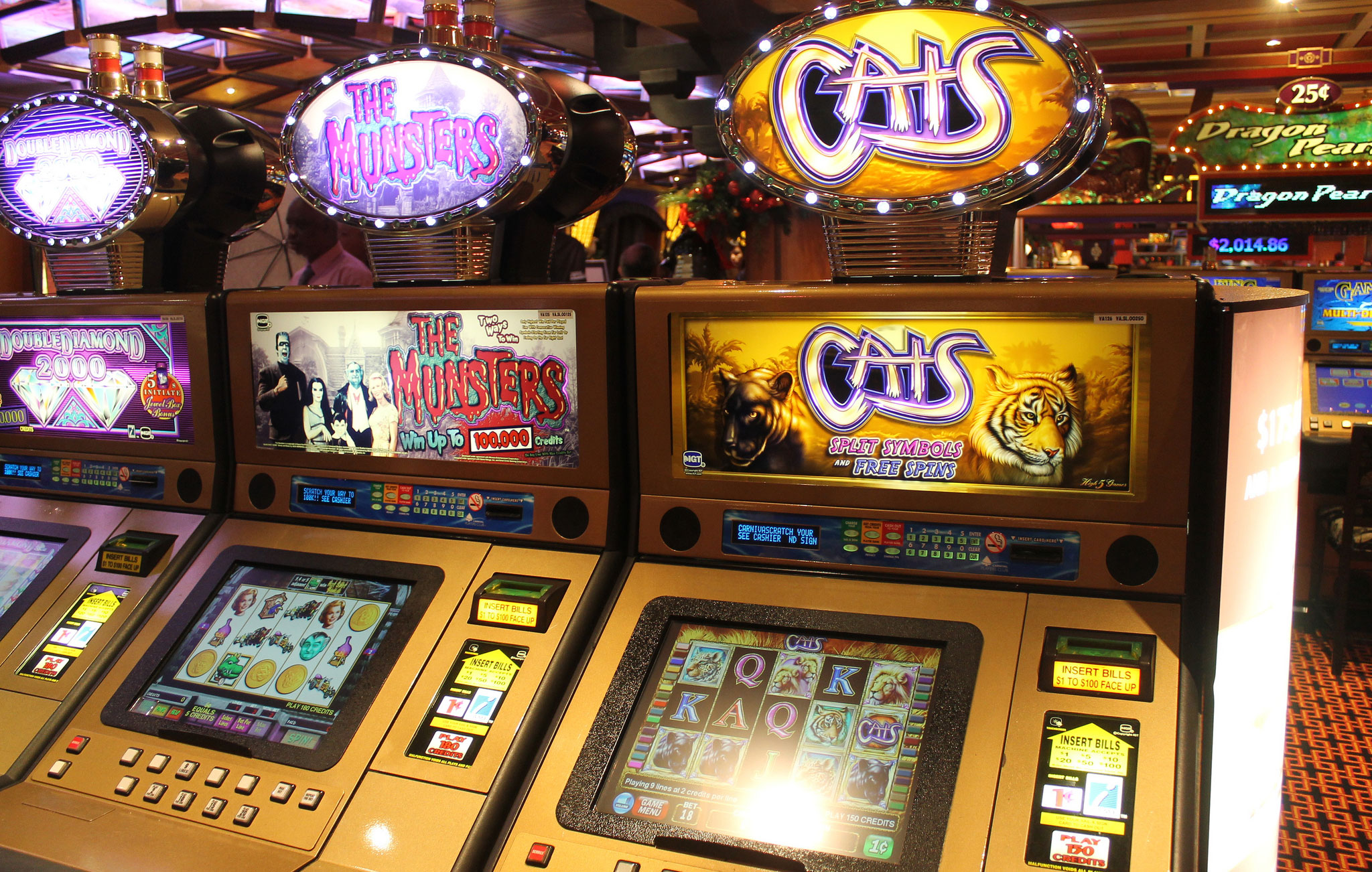
Slot machine design is not only about visuals and mechanics, but also about understanding human psychology. Game developers carefully craft every element to create an engaging and immersive experience that keeps players interested over time. From colors and sounds to reward systems, each component is designed to influence how players feel and interact with the game.
The Role of Visual and Audio Stimuli
Bright colors, dynamic animations, and exciting sound effects play a major role in attracting and retaining player attention. Visual cues such as flashing lights and celebratory graphics are often triggered during wins, even small ones, to create a sense of achievement. Similarly, sound effects are designed to reinforce positive emotions, making each spin feel rewarding regardless of the actual outcome.
Reward Systems and Player Motivation
Slot machines are built around reward systems that encourage continuous play. Frequent small wins are often used to create a sense of progress, even if the overall balance does not significantly increase. This pattern keeps belo4d players motivated, as they feel like they are consistently close to a bigger win. The anticipation of rewards plays a strong psychological role in maintaining engagement.
The Impact of Near Misses
Near misses occur when the symbols almost align for a big win but fall just short. These moments are intentionally designed to create excitement and the feeling that a win is within reach. Psychologically, near misses can encourage players to continue playing, as they perceive the outcome as being very close to success.
Illusion of Control
Many slot features give players the impression that their actions can influence the outcome, such as choosing when to spin or stopping the reels manually. In reality, outcomes are determined by random systems, but the sense of control can make players feel more involved and responsible for the results. This illusion enhances engagement and personal connection to the game.
Emotional Engagement and Habit Formation
Over time, the combination of rewards, stimuli, and interaction can lead to habit formation. Players may develop routines or preferences based on their experiences. Emotional highs from wins and the anticipation of future rewards can reinforce repeated play, making the game more compelling on a psychological level.